
Introduction
Best Fitness and Nutrition Tips for a Healthier Lifestyle
Living a healthier life does not require extreme diets, exhausting workouts, or sudden lifestyle changes. In many cases, lasting improvements come from simple habits that can be practiced consistently over time. Regular physical activity, nutritious food choices, proper hydration, quality sleep, and a positive mindset can all contribute to better health and fitness.
Fitness and nutrition work together to support the body. Exercise can help improve strength, endurance, flexibility, and overall physical performance, while a balanced diet provides the energy and nutrients the body needs to function properly. When these two areas are combined with healthy daily habits, they can create a strong foundation for a healthier lifestyle. However,
choosing the right fitness routine and making healthy food choices can sometimes feel confusing, especially for beginners. There is a great deal of information available, and not every diet or workout plan is suitable for everyone.
In this guide, we explore some of the best fitness and nutrition tips for a healthier lifestyle. These practical strategies can help you become more active, improve your eating habits, and build routines that are easier to maintain over the long term.
Why Fitness and Nutrition Are Important

Fitness and nutrition are two important parts of overall wellness. Physical activity helps the body remain strong and active, while nutritious food supports energy, recovery, and normal body functions. Regular exercise can help improve cardiovascular fitness, muscle strength, balance, and mobility.
A balanced diet, meanwhile, can provide essential nutrients such as protein, fiber, vitamins, minerals, and healthy fats. Neither exercise nor nutrition should be viewed as a short-term solution.
The most effective approach is to develop healthy habits that fit your lifestyle and can be maintained consistently.
1.Create a Consistent Exercise Routine

One of the best ways to improve your fitness is to exercise regularly. You do not necessarily need to spend hours in the gym to become more active.
Your routine can include activities such as:
Walking Running Cycling Strength training Swimming Yoga Stretching Homeworkouts
The most important factor is consistency. A simple workout routine that you follow regularly can be more beneficial than an intense plan that you abandon after a short period.
2. Start With Realistic Fitness Goals

Setting goals can help you stay motivated, but your goals should be realistic and achievable. Instead of trying to make dramatic changes immediately, start with smaller objectives.
For example, you could aim to walk more each day, exercise several times per week, or gradually improve your strength. Small improvements can build confidence and make it easier to continue working toward larger goals.
3. Include Strength Training in Your Routine

Strength training is an important part of a balanced fitness program. It can help improve muscle strength and support physical performance. You do not always need expensive equipment to begin. Bodyweight exercises such as squats, lunges, push-ups, planks, and glute bridges can be useful for beginners. As your strength improves, you can gradually increase the difficulty of your workouts.
4. Eat a Variety of Nutritious Foods

A healthy diet should include a variety of foods that provide important nutrients.
try to include:
Fruits and vegetables
Whole grains
Lean protein sources
Healthy fats
Beans and legumes
Low-fat or nutrient-rich dairy options
Eating a variety of foods can help provide the nutrients your body needs for energy and overall wellness.
5. Prioritize Protein

rotein plays an important role in supporting muscles and recovery. It can also help you feel satisfied after meals. Good sources of protein include eggs, fish, poultry, beans, lentils, yogurt, nuts, and other nutrient-rich foods. Your protein needs can vary depending on your age, activity level, health, and personal goals.
6.Drink Enough Water

Hydration is an important part of both fitness and general health. Water helps support many normal functions in the body. People who exercise regularly may need to pay particular attention to hydration, especially during hot weather or longer workouts. Instead of waiting until you feel extremely thirsty, try to drink water regularly throughout the day.
7. Choose Healthy Snacks

Snacks can be part of a healthy lifestyle when you choose nutritious options.
Some examples include:
Fresh fruit, yogurt, nuts, vegetables Whole-grain foods Homemade healthy snacks
Choosing nutrient-rich snacks can help provide energy between meals and may make it easier to avoid highly processed foods.
8. Limit Highly Processed Foods
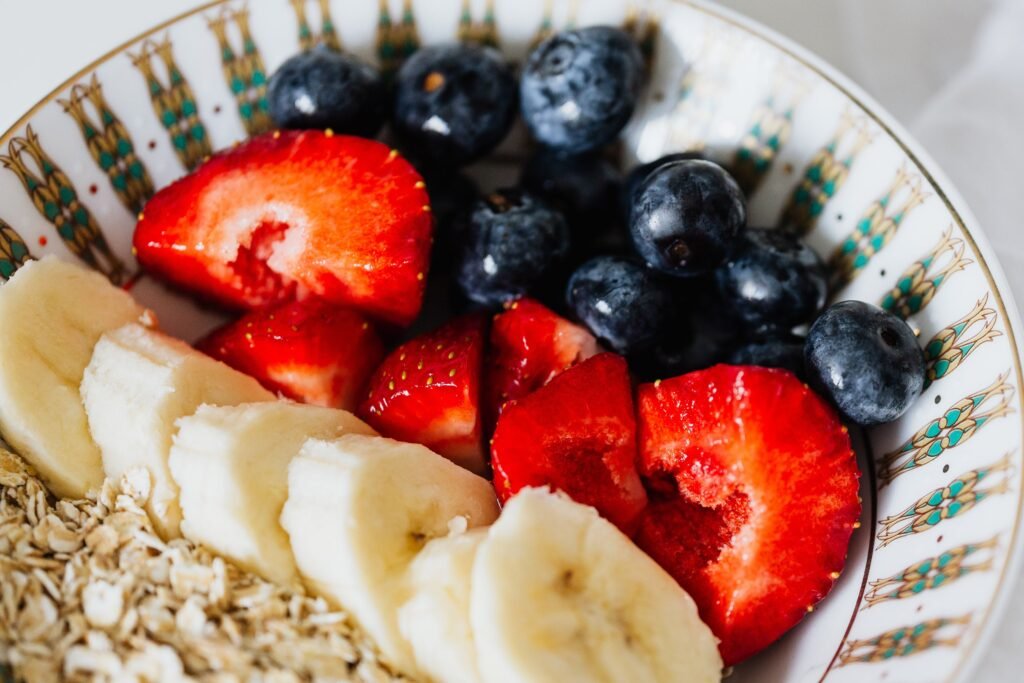
Best Fitness and Nutrition Tips for a Healthier Lifestyle
Many highly processed foods contain large amounts of added sugar, sodium, or unhealthy fats. Eating these foods occasionally does not automatically make your diet unhealthy, but consuming them frequently may make it more difficult to maintain balanced nutrition.
Try to focus on whole and minimally processed foods most of the time.
9. Get Enough Quality Sleep

Sleep is often overlooked when people focus on fitness and nutrition. However, quality rest is important for energy, recovery, mood, and daily performance.
Adults should aim to create a regular sleep routine and develop habits that support restful sleep. A consistent bedtime, a relaxing evening routine, and reducing distractions before sleep may help improve your overall sleep habits.¹⁰. Stay Active Throughout the Day
Exercise does not have to happen only during a formal workout. Small amounts of movement throughout the day can also contribute to an active lifestyle.
You can stay more active by:
Taking regular walking breaks
Using stairs when practical
Walking short distances
Stretching during breaks
Spending less time sitting
These small habits can add more movement to your daily routine.
11. Focus on Progress Rather Than Perfection
Many people give up on their health goals because they expect perfection. However, healthy living does not require you to make perfect choices every day.
Missing a workout or occasionally eating less nutritious food does not mean you have failed. The important thing is to return to your healthy habits and continue moving forward.
Long-term progress is usually created through consistency rather than perfection.
12. Listen to Your Body

Best Fitness and Nutrition Tips for a Healthier Lifestyle
Your body can provide important signals about how you are feeling. Pay attention to signs of fatigue, discomfort, hunger, and recovery.
Conclusion
Building a healthier lifestyle begins with simple habits that can be maintained over time. Regular exercise can help improve strength and fitness, while balanced nutrition provides the nutrients needed to support energy and overall well-being.
The best fitness and nutrition tips are not necessarily the most extreme ones. Creating realistic goals, eating a variety of nutritious foods, staying hydrated, exercising consistently, getting enough sleep, and focusing on gradual progress can all contribute to long-term health.
Choose habits that fit your lifestyle and focus on making steady improvements. With patience, consistency, and a balanced approach to fitness and nutrition, you can create a healthier and more active lifestyle that is easier to maintain over time. {Best Fitness and Nutrition Tips for a Healthier Lifestyle}