
I Blog - Dadirtech Blog - Dadirtech
Search
Close this search box.

The latest and greatest

Best Fitness and Nutrition Tips for a Healthier Lifestyle

Best Fitness and Nutrition Tips for a Healthier Lifestyle

Introduction Best Fitness and Nutrition Tips for a Healthier Lifestyle Living a healthier life does not require extreme diets, exhausting workouts, or sudden lifestyle changes. In many cases, lasting improvements come from simple habits that can be practiced consistently over time. Regular physical activity, nutritious food choices, proper hydration, quality sleep, and a positive mindset can all contribute to better health and fitness. Fitness and nutrition work together to support the body. Exercise can help improve strength, endurance, flexibility, and overall physical performance, while a balanced diet provides the energy and nutrients the body needs to function properly. When these two areas are combined with healthy daily habits, they can create a strong foundation for a healthier lifestyle. However, choosing the right fitness routine and making healthy food choices can sometimes feel confusing, especially for beginners. There is a great deal of information available, and not every diet or workout plan is suitable for everyone. In this guide, we explore some of the best fitness and nutrition tips for a healthier lifestyle. These practical strategies can help you become more active, improve your eating habits, and build routines that are easier to maintain over the long term. Why Fitness and Nutrition Are Important Fitness and nutrition are two important parts of overall wellness. Physical activity helps the body remain strong and active, while nutritious food supports energy, recovery, and normal body functions. Regular exercise can help improve cardiovascular fitness, muscle strength, balance, and mobility. A balanced diet, meanwhile, can provide essential nutrients such as protein, fiber, vitamins, minerals, and healthy fats. Neither exercise nor nutrition should be viewed as a short-term solution. The most effective approach is to develop healthy habits that fit your lifestyle and can be maintained consistently. 1.Create a Consistent Exercise Routine One of the best ways to improve your fitness is to exercise regularly. You do not necessarily need to spend hours in the gym to become more active. Your routine can include activities such as: Walking Running Cycling Strength training Swimming Yoga Stretching Homeworkouts The most important factor is consistency. A simple workout routine that you follow regularly can be more beneficial than an intense plan that you abandon after a short period. 2. Start With Realistic Fitness Goals Setting goals can help you stay motivated, but your goals should be realistic and achievable. Instead of trying to make dramatic changes immediately, start with smaller objectives. For example, you could aim to walk more each day, exercise several times per week, or gradually improve your strength. Small improvements can build confidence and make it easier to continue working toward larger goals. 3. Include Strength Training in Your Routine Strength training is an important part of a balanced fitness program. It can help improve muscle strength and support physical performance. You do not always need expensive equipment to begin. Bodyweight exercises such as squats, lunges, push-ups, planks, and glute bridges can be useful for beginners. As your strength improves, you can gradually increase the difficulty of your workouts. 4. Eat a Variety of Nutritious Foods A healthy diet should include a variety of foods that provide important nutrients. try to include: Fruits and vegetablesWhole grainsLean protein sourcesHealthy fatsBeans and legumesLow-fat or nutrient-rich dairy options Eating a variety of foods can help provide the nutrients your body needs for energy and overall wellness. 5. Prioritize Protein rotein plays an important role in supporting muscles and recovery. It can also help you feel satisfied after meals. Good sources of protein include eggs, fish, poultry, beans, lentils, yogurt, nuts, and other nutrient-rich foods. Your protein needs can vary depending on your age, activity level, health, and personal goals. 6.Drink Enough Water Hydration is an important part of both fitness and general health. Water helps support many normal functions in the body. People who exercise regularly may need to pay particular attention to hydration, especially during hot weather or longer workouts. Instead of waiting until you feel extremely thirsty, try to drink water regularly throughout the day. 7. Choose Healthy Snacks Snacks can be part of a healthy lifestyle when you choose nutritious options. Some examples include: Fresh fruit, yogurt, nuts, vegetables Whole-grain foods Homemade healthy snacks Choosing nutrient-rich snacks can help provide energy between meals and may make it easier to avoid highly processed foods. 8. Limit Highly Processed Foods Best Fitness and Nutrition Tips for a Healthier Lifestyle Many highly processed foods contain large amounts of added sugar, sodium, or unhealthy fats. Eating these foods occasionally does not automatically make your diet unhealthy, but consuming them frequently may make it more difficult to maintain balanced nutrition. Try to focus on whole and minimally processed foods most of the time. 9. Get Enough Quality Sleep Sleep is often overlooked when people focus on fitness and nutrition. However, quality rest is important for energy, recovery, mood, and daily performance. Adults should aim to create a regular sleep routine and develop habits that support restful sleep. A consistent bedtime, a relaxing evening routine, and reducing distractions before sleep may help improve your overall sleep habits.¹⁰. Stay Active Throughout the Day Exercise does not have to happen only during a formal workout. Small amounts of movement throughout the day can also contribute to an active lifestyle. You can stay more active by: Taking regular walking breaksUsing stairs when practicalWalking short distancesStretching during breaksSpending less time sitting These small habits can add more movement to your daily routine. 11. Focus on Progress Rather Than Perfection Many people give up on their health goals because they expect perfection. However, healthy living does not require you to make perfect choices every day. Missing a workout or occasionally eating less nutritious food does not mean you have failed. The important thing is to return to your healthy habits and continue moving forward. Long-term progress is usually created through consistency rather than perfection. 12. Listen to Your Body Best Fitness and Nutrition Tips for a Healthier Lifestyle Your body can provide important signals about how you

Read More »
Best Health and Fitness Apps for Weight Loss and Daily Exercise

Best Health and Fitness Apps for Weight Loss and Daily Exercise

Introduction Building a healthier lifestyle is not always easy. For people with demanding jobs, family responsibilities, or busy daily schedules, finding enough time for exercise and healthy meal planning can be a real challenge. Even when people understand the importance of regular physical activity and nutritious food, staying motivated and following a routine consistently can be difficult. Health and fitness apps have become useful digital tools for people who want additional support with their wellness goals. From nutrition tracking and workout planning to step counting, running, sleep monitoring, and stress management, these apps offer a variety of features that can help users organize their daily habits. A well-designed fitness app can help users set realistic objectives, monitor their activity, record their meals, follow exercise programs, and track progress over time. Some apps are designed primarily for nutrition and calorie management, while others focus on home workouts, outdoor activities, meditation, sleep, or wearable fitness technology. Because every app offers different tools, the best choice depends on your personal goals, current fitness level, lifestyle, and the type of support you find most useful. In this guide, we explore several popular health and fitness apps that can help people become more active, manage their weight, and develop healthier long-term routines. Why Use Health and Fitness Apps to Support Weight Loss? Long-term weight management is usually more successful when it is based on sustainable habits rather than extreme short-term changes. Regular exercise, balanced nutrition, quality sleep, stress management, and realistic goals can all contribute to a healthier lifestyle. Fitness apps can make it easier to organize and monitor these areas of daily life. Instead of trying to remember every meal or workout, users can record their activities, monitor their progress, set goals, and receive reminders that encourage them to stay consistent. Key Benefits of Health and Fitness Apps Log meals and monitor daily nutrition Track workouts and everyday movement Set customized health and fitness targets Review progress over time Follow structured exercise programs Receive reminders and motivational support Build more regular and sustainable habits While no app can guarantee a specific weight-loss result, fitness technology can provide helpful structure and make users more aware of their everyday choices. 1. MyFitnessPal – Best for Nutrition and Calorie Tracking MyFitnessPal is a widely used nutrition app for people who want to monitor their food intake and gain a better understanding of their eating habits. Users can record meals, track calories, and review nutrients such as protein, carbohydrates, and fats. One of the most useful aspects of food tracking is the awareness it can create. People sometimes consume more food than they realize or may not have a clear idea of how their daily meals fit into their overall nutrition goals. By regularly recording meals, users can identify patterns in their eating habits and make more informed decisions about their food choices. Over time, this awareness may help support healthier and more balanced routines. MyFitnessPal can also be combined with regular exercise tracking, making it a useful option for people who want to monitor both nutrition and physical activity. However, nutrition goals should be realistic and appropriate for each individual’s needs and lifestyle. 2. Nike Training Club – Best for Guided Exercise Programs Nike Training Club is designed for people who want access to organized workouts and guided exercise sessions. Its workout options cover several areas of fitness, including strength training, cardio, yoga, mobility, and bodyweight exercises. The variety of available routines allows users to choose workouts that suit their experience level, goals, schedule, and preferred style of exercise. For beginners, following a guided workout can make starting a fitness routine much easier. Rather than spending time deciding which exercises to perform or how to structure a session, users can follow an organized routine with clear direction. More experienced fitness enthusiasts can also use the app to add variety to their training. Trying different workout styles can help prevent routines from becoming repetitive and may encourage users to remain active over time. 3. Strava – Best for Running and Outdoor Fitness Strava is a popular platform for people who enjoy outdoor activities such as running, walking, cycling, and hiking. The app allows users to record their activities and review details including distance, pace, speed, duration, and routes. A major feature of Strava is its social fitness community. Users can connect with other people, participate in challenges, share achievements, and compare their progress over time. For people who want to increase their daily activity or support their weight-management goals, outdoor exercise can be an enjoyable way to stay moving. Strava helps users record their activities and see how their performance changes over time. The app is especially suitable for individuals who enjoy setting personal targets and tracking improvements in activities such as running, cycling, walking, or hiking. Seeing progress can also provide extra motivation to continue exercising regularly 4.Fitbit – Best for Monitoring Daily Activity and Wellness Fitbit is a useful option for people who want to keep a closer eye on their everyday movement and overall wellness. When connected to a compatible Fitbit device, the app can provide information about activity, exercise, sleep, and other health-related metrics. Users can review their daily steps, workouts, and general activity levels, which can help them understand how active they are throughout the day. This type of information may also encourage people to make small but meaningful changes to their routine. For example, someone who spends most of the day sitting may become more motivated to take regular walks, increase daily movement, or set achievable activity targets. A fitness tracker is most valuable when the information it provides is used to make practical and sustainable lifestyle improvements. Simply collecting data is not enough; users should use that information to create realistic habits they can maintain over time. 5.Google Fit – Best for Straightforward Activity Monitoring Google Fit is a simple fitness platform designed for people who want an easy way to monitor their everyday physical activity. It can help track

Read More »
Best Health and Fitness Tips for a Healthier and Stronger Life

Best Health and Fitness Tips for a Healthier and Stronger Life

introduction One of the most important investments you can make in your life is staying fit and healthy. A healthy body gives you more energy, makes you feel better, helps your immune system work better, and makes it easier to enjoy everyday activities with confidence. However, a lot of people think that adhering to strict diets, spending a lot of money on gym memberships, or following complicated workout routines is necessary to achieve health. The truth is that small, consistent habits can make a major difference over time. The best health and fitness tips focus on creating a balanced lifestyle that includes nutritious food, regular physical activity, proper sleep, hydration, and a positive mindset. Simple adjustments can help you build a stronger and healthier body, whether you’re a complete novice or want to improve an existing routine. In this guide, we’ll look at some of the best health and fitness advice that can help you get in better shape, have more energy, help you reach your fitness goals, and form long-term healthy habits. 1 Start With Realistic Health and Fitness Goals Setting attainable goals at the outset of your health and fitness journey can help you stay motivated and achieve lasting results. Instead of trying to change everything at once, focus on small improvements that fit your daily lifestyle. You could start by walking for 20 minutes, exercising a few times per week, consuming more water, or eating more nutritious foods. These simple goals are easier to maintain and can gradually develop into healthy long-term habits. Additionally, it is essential to keep in mind that progress takes time. Considering how different everyone’s body and fitness journeys are from one another can sap motivation. Focus on your own improvement and celebrate small achievements along the way. You can create a healthier lifestyle that lasts by setting clear, doable health and fitness goals and remaining consistent. This will help you build confidence, improve your overall health, and create a healthier lifestyle. 2 Eat a Balanced and Nutritious Diet Eating a nutritious and well-balanced diet is a key part of supporting your overall health and physical fitness. Your body depends on a wide range of nutrients to produce energy, maintain normal body functions, support muscle activity, and help keep the immune system strong. Rather than relying on one type of food or following overly restrictive eating plans, try to include a variety of nutrient-rich foods in your daily meals. A healthy eating pattern may include fresh fruits, vegetables, whole grains, quality protein sources, healthy fats, and sufficient water. Good nutrition can also play an important role in helping you reach your fitness goals. The right foods can provide energy for exercise and support the body’s recovery after physical activity. Protein helps support muscle repair, carbohydrates can fuel workouts, and healthy fats contribute to important body functions. Fruits and vegetables also provide valuable vitamins, minerals, and fiber. By choosing nutritious foods more often and reducing your intake of highly processed foods, excess sugar, and unhealthy fats, you can develop sustainable eating habits that support a healthier, stronger, and more active lifestyle. 3 Exercise Regularly Making physical activity a regular part of your daily life can play a major role in improving your overall health and fitness. Consistent movement may help develop strength, support cardiovascular health, boost daily energy, and improve physical performance. Staying active does not require expensive equipment or a membership at a fitness center. Activities such as brisk walking, riding a bicycle, swimming, jogging, or completing simple exercises at home can all help you become more physically active. The best exercise routine is one that matches your interests and fits comfortably into your lifestyle. When you stay active consistently, you can gradually improve your stamina, build stronger muscles, support a healthy body weight, and benefit your mental well-being. Begin with an activity level that feels manageable and slowly increase the amount or intensity as your body becomes fitter. With patience and regular effort, exercise can become a lasting habit that supports your long-term health and fitness journey. 4 Walk More Every Day Walking is a simple and convenient way to become more physically active, making it an excellent choice for people of different fitness levels. Unlike many forms of exercise, walking requires little equipment and can easily be included in your everyday routine. Regular walks may help you use more energy, support cardiovascular health, assist with maintaining a healthy weight, lower everyday stress, and contribute to a more positive mood. You can increase your daily walking in many simple ways. Take a short walk during your break, choose the stairs when possible, walk to nearby destinations, or spend some time walking outdoors in the evening. By adding more steps to your daily routine and staying consistent, you can gradually improve your activity level and support your overall health and fitness. 5 Drink Enough Water Staying properly hydrated is an important part of maintaining a healthy lifestyle. Water supports many essential functions in the body, including helping regulate temperature, carrying nutrients, supporting digestion, and contributing to normal physical performance. When you do not consume enough fluids, you may experience tiredness, reduced focus, and lower energy during physical activity. To maintain good hydration throughout the day, make a habit of drinking water regularly instead of waiting until you feel very thirsty. Carrying a reusable water bottle can make it easier to drink consistently, and drinking water before and after exercise can help support your body’s fluid needs. You can also get fluids from water-rich foods such as fruits and vegetables. Water is generally the best everyday beverage, while sugary drinks should be consumed less often. 6 Get Enough Quality Sleep etting enough quality sleep is an important part of maintaining good health and fitness. While you sleep, your body has time to recover from daily activities, restore energy, repair muscles, and support important functions such as brain health and immune system function. Consistent, restful sleep can also improve concentration, mood, and physical performance.

Read More »
Best healthy snacks for office workers

Best Healthy Snacks for Office Workers

Introduction The food we eat has a significant impact on our productivity. It is necessary to eat healthy food to increase work efficiency. In addition, the diet that a person chooses helps to improve their mood, increase their productivity, and reduce the likelihood of developing certain diseases. Many office workers consume unhealthy products from vending machines, which can cause blood sugar spikes and crashes throughout the day. Choosing the right healthy snacks will allow you to stay focused and not be hungry at work. Healthy snacks should have a healthy source of carbohydrates, fiber, protein, and fat. These three components keep you satiated, give you energy, and improve your productivity during the working hours. Having healthy and nutritional meals and snacks at hand, whether you work in the office or at home, will help you resist the urge to eat unhealthy foods. This article will provide you with examples of beneficial snacks and give you tips on what to eat at the office. Reasons to Eat Healthy Snacks at the Office Working at the office is associated with sitting for a long time and concentrating on the tasks assigned to you. Therefore, it is critical to take breaks while working and eat healthy foods that will give you enough energy for further work. In addition, nutritious snacks reduce the temptation to eat unhealthy foods that can be available at the office. Making the right choices when eating will allow you to increase your productivity, lose weight, and improve your health What Makes a Snack Healthy? A healthy snack is one that provides your body with essential nutrients while helping you stay satisfied between meals. Instead of relying on foods high in added sugar, refined carbohydrates, or unhealthy fats, choose snacks that combine protein, fiber, healthy fats, and natural ingredients. This balanced combination supports steady energy levels, improves concentration, promotes better digestion, and reduces the urge to overeat later in the day. Nutritious options such as fresh fruit, nuts, yogurt, vegetables, and whole grains not only satisfy hunger but also contribute to your overall health and make it easier to maintain a balanced diet. Best Healthy Snacks for Office Workers 1. Mixed Nuts Almonds, walnuts, pistachios, and cashews are excellent sources of healthy fats, protein, and fiber. A small handful can satisfy hunger and provide lasting energy throughout the day. 2. Fresh Fruit Apples, bananas, oranges, berries, and grapes are portable, naturally sweet, and packed with vitamins, antioxidants, and fiber. They are perfect for a quick and refreshing snack. 3 Greek yogurts Greek yogurt is rich in protein and calcium, making it an excellent choice for staying full between meals. Add fresh fruit or a sprinkle of nuts for extra nutrition. 4. Apple with Peanut Butter This classic combination provides natural carbohydrates, healthy fats, protein, and fiber. It offers balanced nutrition and helps prevent energy crashes. 5 Hummus with Vegetable Sticks Pair hummus with carrots, cucumbers, celery, or bell peppers for a crunchy, nutrient-rich snack that’s both satisfying and low in calories. 6 Hard-Boiled Eggs Hard-boiled eggs are easy to prepare and provide high-quality protein along with important nutrients like vitamin D and choline. 7. Whole-Grain Crackers with Cheese Whole-grain crackers paired with low-fat cheese create a balanced snack containing fiber, protein, and calcium. 8 Roasted Chickpeas Crunchy roasted chickpeas are rich in plant-based protein and fiber, making them a healthy alternative to chips. 9. Air-Popped Popcorn Popcorn is a whole grain that can be surprisingly healthy when prepared without excessive butter or salt. It provides fiber while satisfying crunchy cravings. 10. Homemade Trail Mix Combine unsalted nuts, seeds, and a small amount of dried fruit to create a nutritious snack that’s easy to carry and store at your desk. Healthy Snacking Tips Planning ahead makes healthy eating much easier during a busy workday. Prepare snacks at home. store them in reusable containers, and Keep them nearby to avoid unhealthy vending machine options. Drink enough water throughout the day, as thirst is often mistaken for hunger. Eating slowly and choosing reasonable portion sizes also helps prevent overeating. Common Snacking Mistakes Many people accidentally turn healthy snacks into unhealthy habits. Common mistakes include eating oversized portions, choosing snacks with added sugar, skipping meals, or mindlessly eating while working. Reading nutrition labels and selecting minimally processed foods can help you make better decisions. Conclusion Healthy snacking is one of the easiest ways for office workers to improve their energy, focus, and overall well-being. Choosing nutritious foods like fresh fruit, Greek yogurt, nuts, vegetables, eggs, and whole grains helps maintain steady energy levels while supporting long-term health. By preparing healthy snacks in advance and keeping them within reach, you can reduce unhealthy cravings and stay productive throughout the workday. Small changes in your daily eating habits can lead to lasting improvements in both your health and workplace performance.

Read More »
Best daily walking benefits for beginners

Best daily walking benefits for beginners

introduction Best daily walking benefits for beginners Walking is one of the easiest and most effective forms of exercise for people of all ages. It requires no expensive equipment, no gym membership, and very little experience, making it the perfect activity for beginners. A short walk every day can help you feel better physically and mentally, and it can also help you develop a healthy fitness routine that works for almost any lifestyle. Walking demonstrates that small, consistent efforts can produce impressive results, despite the fact that many novices believe they require intense workouts to become healthier. Regular walking strengthens the heart, improves blood circulation, burns calories, supports weight management, and increases energy levels. Additionally, it is a low-impact exercise that still provides significant health benefits while being gentle on the joints. You’ll learn the best daily benefits of walking for beginners, how to make a simple walking routine, how long-term health benefits from walking, and how to stay motivated in this guide. Walking every day is a great place to start if you want to lose weight, get fitter, or just live a healthier lifestyle. Best daily walking benefits for beginners H2: Why Walking Is the Best Exercise for Beginners Walking is a great way to exercise because it is easy, safe, and can be done by almost anyone. Unlike many high-intensity workouts, walking places less stress on your joints while still helping improve cardiovascular fitness, strengthen muscles, and increase endurance. Beginners can start with short walks and gradually increase their time and distance as their fitness improves.The adaptability of walking is yet another advantage. On a treadmill, in your neighborhood, at a nearby park, or even during breaks at work are all good places to walk. Walking every day becomes a healthy habit with consistency, supporting mental and physical health and lowering the risk of many chronic diseases. Best daily walking benefits for beginners H2: Top Benefits of Daily Walking for Beginners Beyond burning calories, daily walking has many other health benefits. It is a low-impact activity that helps beginners form a regular exercise routine and improves physical and mental health. H3: Improves Heart Health Walking every day strengthens your heart and increases blood flow. A regular walking routine may help maintain healthy blood pressure, improve cholesterol levels, and reduce the risk of heart disease over time. H3: Supports Healthy Weight Management Best daily walking benefits for beginners Walking increases your metabolism and burns calories. It can assist beginners in losing excess body fat and maintaining a healthy weight without intense exercise if combined with a well-balanced diet.. H3: Increases Energy Levels Daily short walks can increase oxygen flow throughout your body, resulting in increased energy and productivity. After incorporating walking into their daily routine, many people find that they are able to focus better and feel less tired. H3: Strengthens Muscles and Bones Walking strengthens your bones while strengthening the muscles in your legs, hips, and core. Regular walking increases mobility, posture, and balance over time. H3: Reduces Stress and Improves Mood Best daily walking benefits for beginners Endorphins, which are natural chemicals that boost mood and reduce stress, are released when you walk. Walking outside and reducing anxiety can also help improve mental clarity. H2: How to Start a Daily Walking Routine Start by walking for 20-30 minutes five days a week at a comfortable pace if you’re new to exercise. Increase your walking time to 45–60 minutes or your pace gradually as your fitness improves. Always start each session with a gentle warm-up, drink plenty of water, and wear walking shoes that are comfortable H2: Tips for Staying Consistent Speed and distance are less important than consistency. Use a notebook or a fitness app to keep track of your progress, choose a regular time each day, and set goals that are attainable. You can also make your routine more enjoyable and easier to keep up by walking with a friend or listening to music or podcasts. H2: Common Walking Mistakes to Avoid Many novices walk too quickly or without warming up before starting. Wearing uncomfortable shoes, maintaining poor posture, and skipping rest days when needed can also reduce the benefits of walking. To avoid injuries, focus on natural arm movement, good posture, and gradual progress. H2: Conclusion One of the simplest and most efficient ways for beginners to improve their health and fitness is to walk every day. It supports weight management, boosts energy, boosts mood, and helps build a healthier lifestyle without requiring costly equipment or complicated workout plans. It also strengthens the heart. The key to success is consistency. When combined with healthy eating, adequate hydration, and rest, even a short daily walk can have significant long-term benefits. Enjoy the positive changes that daily walking can bring to your body and mind by setting small, attainable goals, remaining committed to your routine, and enjoying the benefits.Best daily walking benefits for beginners  

Read More »
Home workout without equipment for beginners

Home workout without equipment for beginners in 2026.

introduction Home workout without equipment for beginners It is not necessary to have a pricey gym membership or specialized exercise equipment to begin a fitness journey. A home workout without equipment is one of the easiest and most affordable ways for beginners to improve their health, build strength, and increase daily energy. Anyone can begin exercising from the comfort of their own home with just a small amount of space and a commitment to consistency. Because they use your own weight to strengthen muscles, improve flexibility, and improve cardiovascular fitness, bodyweight exercises are extremely effective. When done correctly, exercises like jumping jacks, squats, push-ups, lunges, planks, and jumping jacks help develop balance, endurance, and coordination while also lowering the risk of injury. These exercises are great for beginners because they can be modified to suit any fitness level. The easiest exercises, warm-up routines, workout schedules, safety tips, and ways to stay motivated are all included in this guide, which will show you the best home workout for beginners that doesn’t require any equipment. Whether your goal is to lose weight, build muscle, or simply become healthier, this beginner-friendly workout plan will help you create a sustainable fitness routine and achieve long-term results. Benefits of Home Workouts for Beginners Home workouts are an excellent option for novices due to their ease of scheduling, affordability, and convenience. You don’t need expensive gym equipment or a fitness membership to get started. While you can exercise comfortably at home, bodyweight exercises like squats, pushups, and planks help you build strength, flexibility, balance, and overall fitness. The fact that home workouts promote mental and physical health is yet another significant advantage. Regular exercise helps burn calories, improve heart health, increase energy levels, and reduce stress. They gain self-assurance, develop healthy habits, and establish a long-lasting fitness routine that leads to long-term health and wellness as beginners become more consistent. Why Bodyweight Exercises Are Perfect for Beginners Before adding additional resistance, proper movement patterns can be taught through bodyweight training, which is ideal. Beginning dancers can concentrate on developing proper form, enhancing balance, and gradually increasing intensity as they gain strength. This builds a solid fitness foundation while also lowering the risk of injury. Bodyweight exercises, in contrast to more complicated gym equipment, are simple to modify. You can perform an easier variation of an exercise if it seems difficult. To keep progressing, you can increase the number of repetitions you perform, add more sets, or shorten the amount of time you rest. Best Home Workout Exercises Without Equipment Home workout without equipment for beginners One of the greatest benefits of bodyweight training is that you don’t have to spend money on gym equipment to exercise anywhere. These easy-to-do exercises for beginners target a variety of muscle groups, increase endurance, and help you establish a solid fitness foundation. Perform each exercise with proper form and start with 2–3 sets of 10–15 repetitions, depending on your fitness level. Squats Squats are one of the best lower-body exercises for beginners. In addition to enhancing your balance and mobility, they strengthen your thighs, glutes, calves, and core. Stand with your feet shoulder-width apart, lower your hips as if sitting in a chair, then return to the starting position. Maintain a straight back and knees that are in line with your toes. Push-Ups Push-ups are an excellent exercise for building upper-body strength. They work the core, triceps, chest, and shoulders muscles. Start with knee push-ups and work your way up to full push-ups as your strength improves if you find standard push-ups challenging. Lunges Home workout without equipment for beginners Leg strength, balance, and coordination are all improved by lunges. Step one foot forward, lower your body until both knees form approximately 90-degree angles, then push back to the starting position. Alternate your legs for each repetition while maintaining an upright posture. Plank One of the best exercises for strengthening your core muscles is the plank. Keep your body straight from head to heels, extend your legs behind you, and place your forearms on the floor. Hold the position for 20–60 seconds while maintaining steady breathing. Mountain Climbers Home workout without equipment for beginners Mountain climbers perform a single movement that combines cardio and strength training. Begin in a high plank position and quickly bring one knee toward your chest, then switch legs in a running motion. This exercise strengthens your core, burns calories, and improves cardiovascular fitness. Jumping Jacks Home workout without equipment for beginners Jumping jacks are a simple warm-up and cardio exercise that increases your heart rate and improves endurance. Jump while spreading your legs and raising your arms overhead, then return to the starting position. Continue for 30 to 60 seconds at a pace that is comfortable. Glute Bridge Your lower back, hamstrings, and glutes will all be strengthened by the glute bridge. With your knees bent and feet flat on the ground, lie on your back. After slowly lowering back down, lift your hips up until your body is in a straight line from your shoulders to your knees. Superman Exercise Improve your posture and strengthen your lower back with the Superman exercise. With your arms out in front of you, lie face down. Hold the position for a few seconds after lifting your arms, chest, and legs off the ground, and then slowly return to the starting position. By combining these bodyweight exercises into a regular routine, beginners can improve strength, flexibility, endurance, and overall fitness without needing any equipment. Maintain consistency, concentrate on good technique, and gradually increase the intensity as your body gets stronger. Day Beginner Home Workout Plan Beginning exercisers can stay consistent and develop healthy exercise habits by creating a straightforward weekly workout schedule. Strength training, cardio, flexibility, and recovery are all part of this seven-day plan to improve overall fitness without the use of any equipment. Monday – Full Body Strength Home workout without equipment for beginners Perform the following after a 5-minute warm-up: Three sets of 15

Read More »
Healthy Breakfast Ideas for Busy Mornings

Healthy Breakfast Ideas for Busy Mornings

introduction Healthy Breakfast Ideas for Busy Mornings Healthy Breakfast Ideas for Busy Mornings One of the best ways to support your overall health and maintain steady energy levels is to start your day with a healthy breakfast. However, many people skip breakfast because they feel they don’t have enough time in the morning. It can often be challenging to prepare a healthy meal due to work, school, and family obligations. Healthy Breakfast Ideas for Busy Mornings is the idea that can help you make balanced your body The good news is that it doesn’t have to be difficult or time-consuming to eat a healthy breakfast. After fasting for several hours while you sleep, eat a well-balanced breakfast to replenish your body with essential nutrients. It aids in regaining energy, enhancing concentration, supporting metabolism, and reducing late-day hunger. Foods that are high in protein, fiber, healthy fats, complex carbohydrates, and other nutrients can help you feel full until lunchtime and improve your physical and mental performance. There are many easy breakfast options that can be made in a few minutes, whether you’re going to the office, taking classes, or running a busy household. From overnight oats and fruit smoothies to whole-grain toast with avocado, healthy breakfasts can fit into almost any lifestyle.In this guide, you’ll learn how to make a healthy breakfast that works for you and tastes good, which foods have the most nutrients, and how to make breakfast preparation easier. By developing this healthy habit, you can improve your energy, productivity, and overall well-being every day. Healthy Breakfast Ideas for Busy Mornings Healthy Breakfast Ideas for Busy Mornings Why Breakfast Is Important Because it gives your body the fuel it needs after a long night’s sleep, breakfast is often referred to as the most important meal of the day. Your body continues to use energy while you rest to support vital functions like breathing, circulation, and tissue repair. Eat a healthy breakfast to boost your energy levels and get ready for the day. Additionally, a well-balanced breakfast enhances mental focus and concentration. Healthy Breakfast Ideas for Busy Mornings Breakfast can help improve memory, learning, and productivity because your brain needs a steady supply of glucose to function properly. For students and professionals alike, starting the day with a nutritious meal may contribute to better performance throughout the morning.Breakfast can help control appetite in addition to giving you more energy. People who eat balanced breakfasts are often less likely to overeat later in the day or rely on unhealthy snacks. Because of this, having breakfast is an essential component of supporting long-term wellness and maintaining a healthy weight. Benefits of Eating a Healthy Breakfast Provides Long-Lasting Energy Your body gets the energy it needs to get started the day by eating a nutritious breakfast. Healthy fats, lean protein, and complex carbohydrates slowly release energy, allowing you to stay active and focused for longer. Best Energy-Boosting Foods Energy-Boosting Foods Improves Concentration and Productivity Healthy Breakfast Ideas for Busy Mornings Eating a healthy breakfast in the morning can help you think more clearly and efficiently in the brain. A well-balanced breakfast can help you focus better, retain information better, and complete daily tasks at work or school more easily. Breakfast-eating individuals frequently report feeling more awake and productive throughout the morning. Supports Healthy Weight Management Skipping breakfast may lead to excessive hunger later in the day, increasing the likelihood of overeating or choosing unhealthy foods. A balanced breakfast helps control appetite by keeping you full for longer.Because they digest more slowly and give you a longer feeling of fullness, foods that are high in protein and fiber are especially effective. Helps Meet Daily Nutritional Needs Getting your daily dose of essential vitamins, minerals, and fiber at breakfast is a fantastic opportunity. Your diet’s overall quality can be improved by including whole grains, healthy proteins, dairy, fruits, and vegetables. A healthy breakfast on a regular basis may also help your heart, digestive system, and immune system. What Makes a Healthy Breakfast? A healthy breakfast includes a balance of nutrients rather than relying on sugary cereals or processed foods. When you combine foods from different food groups, you get consistent energy and feel full until your next meal. Include Lean Protein Protein is necessary for long-term energy, tissue repair, and muscle maintenance. Additionally, it prolongs your feeling of fullness. Good sources of protein include: Eggs Greekyogurt Cottagecheese Peanut butter Almond butter Tofu Protein smoothies Choose Whole Grains Compared to refined grains, whole grains contain more nutrients and fiber. They keep blood sugar levels stable and give you energy for a long time. Healthy whole-grain options include: Oatmeal Whole-grain bread Whole-wheat wraps Brown rice cakes Whole-grain cereal Add Fresh Fruits and Vegetables Vitamins, minerals, antioxidants, fiber, and other nutrients that aid in overall health are found in fruits and vegetables. They also give your breakfast a natural sweetness without adding too much sugar. Excellent choices include: ent choices include: Include Healthy Fats The production of hormones, brain function, and overall health all depend on healthy fats. Additionally, they contribute to meal satisfaction. Healthy fat sources include: Avocados Almonds Walnuts Chia seeds Flaxseeds Natural nut butters Healthy Breakfast Ideas for Busy Mornings Easy Make-Ahead Breakfasts for Busy People If your mornings are always in a rush making breakfast the night before can save you time. It also helps you eat healthy. Breakfasts made ahead are great for parents, professionals and students. They are quick and filling. You can. Have a balanced breakfast in the morning. You just need to prepare it for a few minutes, in the evening. It helps you start your day with a breakfast. Overnight Oats Overnight oats are an easy and healthy breakfast choice. You just mix rolled oats with milk or yogurt. Then you add some chia seeds, fresh fruit and a bit of honey. Leave it in the fridge overnight. It’s ready to go in the morning. This breakfast has a lot of fiber, protein and carbs that take

Read More »
Best Morning Stretching Routine for Beginners

Best Morning Stretching Routine for Beginners

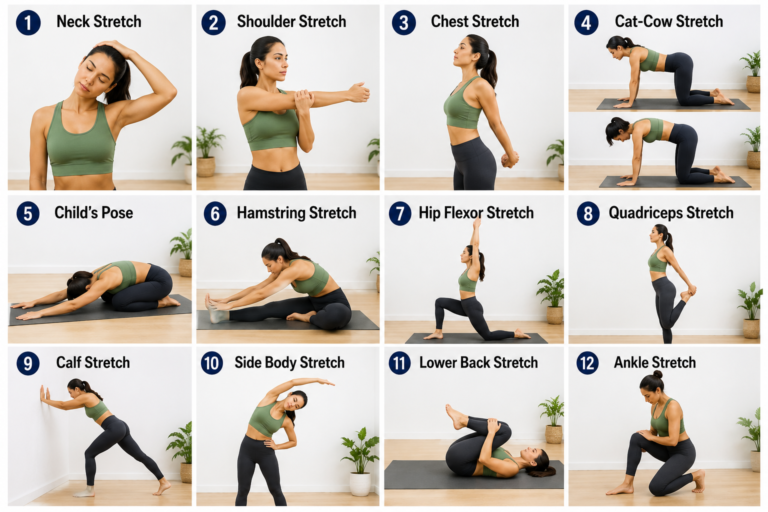
introduction .Best Morning Stretching Routine for Beginners Starting your day with a morning stretching routine is one of the simplest and most effective ways to improve your overall health. Even spending just 10 to 15 minutes stretching after you wake up can make a noticeable difference in how your body feels throughout the day. Stretching helps loosen tight muscles, improve flexibility, increase blood circulation, and prepare your body for daily activities. It can also help reduce stress, improve posture, and lower the risk of muscle injuries. Many beginners believe they need expensive gym equipment or advanced fitness knowledge to become healthier, but that isn’t true. A simple morning stretching routine requires very little space and no special equipment. Anyone can do it at home, whether you are a student, office worker, stay-at-home parent, or senior. Modern lifestyles often involve sitting for long periods, whether at a desk, in a car, or using electronic devices. This can lead to muscle stiffness, poor posture, and reduced mobility. Morning stretching is an excellent habit that helps reverse these effects by gently waking up your muscles and joints before your day begins. Another important benefit of stretching in the morning is improved blood flow. As your circulation increases, your muscles receive more oxygen and nutrients, making you feel more alert and energized. Many people notice they have better concentration and productivity after completing a short stretching session. Why Morning Stretching Is Important Stretching in the morning is more than just stretching your muscles. It helps you feel better both physically and mentally and gets your whole body ready for movement. After several hours of sleep, your muscles naturally become less active and your joints may feel stiff. Stretching slowly gets your blood flowing better, makes it easier to move around, and gradually gets your body ready for walking, working out, exercising, or doing things you do every day. Additionally, stretching stimulates your nervous system, allowing you to wake up naturally without the need for caffeine. Many people experience improved focus, better mood, and increased energy after completing a short stretching routine.This habit can help you feel more at ease throughout the day, improve your posture, and reduce muscle tension. Best Morning Stretching Routine for Beginners Best Morning Stretching Routine for Beginners Benefits of a Morning Stretching Routine A morning stretching routine has many advantages for your mind and body. After a good night’s sleep, it helps increase blood flow, reduce muscle stiffness, improve flexibility, and improve overall mobility. Additionally, stretching in the morning improves posture, reduces injury risk, and prepares muscles for daily activities. It can also give you more energy, help you focus better, and make you feel less stressed. This makes it a great habit for anyone who wants to start the day feeling healthier, more active, and ready to take on the challenges of the day. Preparing for Your Morning Stretching Routine Before you start stretching take a minutes to get your body ready. This will help you stretch safely and effectively. Wear clothes that make you feel good about yourself. Put on clothes that let your body move freely like loose athletic wear or comfortable workout clothes. These are great because they do not get in the way of your movements. Choose a place to stretch. Find an open space where you can move around without being disturbed. A yoga mat can be really comfortable to stretch on. You do not need one. When you stretch remember to breathe. Take a breath in through your nose. Then breathe out gently through your mouth. Do not hold your breath while you are stretching. Only stretch until you feel a tightness in your muscles. Do not stretch until it hurts. You should not push yourself hard because stretching regularly will help you become more flexible over time. Stretching is, about making your body feel better not about hurting yourself. So listen to your body. Only do what feels comfortable. Best Morning Stretching Routine for Beginners Best Warm-Up Before Stretching Before you start stretching, warm up your body for a minutes. A gentle warm-up gets your blood flowing. Helps your muscles and joints get ready to move. This helps reduce stiffness and the risk of injury. You can do this with movements, like arm circles rolling your shoulders and walking in place. Warming up for 3 to 5 minutes helps you stretch more easily and makes the most of your morning routine. It makes your stretching routine more comfortable. Best Morning Stretching Routine for Beginners Sample 10-Minute Morning Stretching Routine Follow this straightforward schedule if you’re not sure how to combine these stretches into one session: 30 seconds of neck stretching on each side 30 seconds of chest stretching Cat-Cow Stretch – 1 minute One minute in Child’s Pose 30 seconds for each leg of the hamstring stretch 30 seconds for each side of the hip flexor stretch 30 seconds for each leg of the quadriceps stretch 30 seconds for each leg of the calf stretch 30 seconds for each leg of the calf stretch 30 seconds for each side of the side body stretch Common Mistakes Beginners Should Avoid It’s easy to start a morning stretching routine, but many beginners make mistakes that make it less effective or even more likely they’ll hurt themselves. You can develop a habit that is safer and more enjoyable once you are aware of these common mistakes. 1-Stretching Too Fast Each stretch is rushed through by many novices. Always stretch slowly and in a controlled manner. Muscles can be strained rather than relaxed when they are moved quickly or jerkily. Best Morning Stretching Routine for Beginners 2-Ignoring Proper Breathing Holding your breath is one of the most common stretching mistakes. When you breathe slowly and steadily, your muscles will relax more easily. 3-Stretching Until It Hurts Stretching should never cause sharp pain. Pain is an indication that you have gone too far, while mild tension is normal. . 4-Being Inconsistent Stretching once every few weeks

Read More »
Top 5 Health And Fitness Keyword Sets For SEO

Top 5 Health And Fitness Keyword Sets For SEO in 2026.

introduction the health and fitness keyword sets for SEO strategy is necessary to get organic traffic. Choosing the right keyword sets can help your content rank higher in search engine results and reach people looking for trustworthy health information, regardless of whether you run a fitness blog, nutrition website, gym, or wellness brand. Successful websites focus on keyword clusters—groups of closely related search terms that cover a topic in depth—rather than random keywords. The healthy and fitness keyword sets for seo strategy increases your chances of ranking for a variety of relevant queries while also assisting search engines in better comprehending your content. A well-structured keyword set can significantly increase your website’s visibility and authority in a variety of areas, including weight loss, healthy eating, and mental health. The top five health and fitness keyword sets that can support long-term organic growth, boost targeted visitors, and strengthen your SEO strategy are discussed in this article. These keyword ideas will assist you in creating valuable, search-friendly content that stands out in a competitive market, regardless of your level of experience as a content creator. Health And Fitness Keywords play a very important role in web development and design. Keywords are still a component of the search terms that bring people to your websites, despite the fact that they play a smaller role in today’s Google algorithms. Use relevant keywords if you want your website to be more popular and easier to find on the vast World Wide Web. Keywords are naturally and strategically placed in prominent areas like the page title, links, and subheaders. There are numerous popular keywords available. The most popular keyword sets that people search for are as follows for those who manage websites in the health and fitness industry: Acne-related keywords Acne is something that every rational person would absolutely despise. People are naturally arrogant, and they want to appear clean and flawless. However, acne is normal. Sometimes, acne just shows up on the face, appearing as if to make a person miserable and lower his self-esteem. Since the majority of people despise acne, it should come as no surprise that the word “acne” is used a lot in the health and fitness category. If you can include posts on how to get rid of acne on your health website, it will undoubtedly bring some visitors to your site. Diet related keywords Diet has a significant impact on a person’s overall health. Additionally, with the advent of the Internet, people have never been more eager to seek out healthy eating strategies. Because of this, the keyword “diet” is frequently sprinkled throughout websites that are related to health and fitness. People enjoy reading about which foods treat which diseases and which foods improve which ones. Therefore, posts on dieting should be featured on websites that want to be ranked higher in search engine results. Weight loss related keywords These days, it appears that many people want to lose weight. Having the ability to have a body that looks good and is fit is a common goal for so many people. In addition to improving one’s physical appearance, losing weight is beneficial to one’s health. Articles or posts on weight loss-related websites have a good chance of appearing in search engine results pages. Some examples of weight loss related keywords include ‘how to lose weight’ and ‘weight loss diet.’ Nutrition related keywords Health and fitness websites can also benefit greatly from nutrition keywords. If one does not consume the appropriate nutrition, they will not be able to stay healthy and disease-free. Diet keywords are somewhat related to nutrition keywords, but nutrition focuses more on getting particular nutrients than it does on planning what to eat. The nutrition keyword category includes terms like “nutrition facts,” “nutrition vitamins,” and even “nutrition software.” Fitness related keywords Fitness techniques and equipment are typically the focus of fitness keywords. Those companies who are selling gym equipment would benefit a lot in using fitness keywords. “Fitness equipment,” “sporting goods for fitness,” and “fitness exercise” are a few examples. Websites that represent fitness publications and websites run by private fitness instructors may benefit from these keywords conclution In the end One of the best ways to boost your website’s SEO and attract specific visitors is to select the right health and fitness keyword sets. You can create valuable content that meets the needs of your audience and boost your search engine rankings by concentrating on high-quality keyword groups like topics related to weight loss, nutrition, exercise routines, mental health, and healthy lifestyles. Keep in mind that producing content that is engaging, informative, original, and answers real questions is just as important to successful SEO as using popular keywords. For long-term organic traffic, combine thorough keyword research with consistent publishing, effective on-page optimization, and a pleasant user experience. Keeping up with keyword trends and creating authoritative content will help your website remain competitive as the health and fitness industry expands. You will be well-positioned to build a stronger online presence, reach more readers, and successfully grow your health and fitness there is the other tool related to this article read more and see  

Read More »
Best Superfoods for Energy and Better Health

Best Superfoods for Energy and Better Health in 2026.

introduction Maintaining high energy levels and good health starts with the foods you choose every day. The body needs essential nutrients to stay active, recover properly, and function efficiently. Superfoods are natural foods that are rich in vitamins, minerals, antioxidants, and other important nutrients that support overall wellness. Adding the right superfoods to your daily meals can improve energy, strengthen the immune system, support fitness goals, and help your body stay healthy for the long term. What Are Superfoods? Superfoods are foods that contain a high concentration of beneficial nutrients compared to their calorie content. They provide the body with powerful nutrients that support different areas of health, including energy production, digestion, brain function, and physical performance. While no single food can provide everything the body needs, combining different superfoods creates a balanced and nutritious diet. Blueberries for Antioxidant Support Blueberries are one of the most popular superfoods because they are rich in antioxidants. These natural compounds help protect the body from damage caused by harmful molecules. Including blueberries in your diet can support brain health, improve recovery after exercise, and contribute to overall wellness. They are also a great source of fiber and important vitamins. Spinach and Leafy Greens for Strength Leafy green vegetables such as spinach are packed with essential nutrients that support a healthy body. They contain vitamins, minerals, and antioxidants that help improve energy and body function. Adding leafy greens to meals can support muscle health, digestion, and overall nutrition. Eggs for Protein and Energy Eggs are a nutrient-rich food that provides high-quality protein and essential nutrients. Protein helps repair muscles, maintain strength, and support recovery after physical activity. Eating eggs as part of a balanced diet can help provide lasting energy and support fitness goals. Salmon for Healthy Fats and Muscle Recovery Salmon is an excellent source of protein and healthy fats. It contains nutrients that support heart health, brain function, and muscle recovery. Including fish in your diet can help provide important nutrients that support an active lifestyle. Nuts and Seeds for Long-Lasting Energy Nuts and seeds are small but powerful sources of nutrition. They contain healthy fats, protein, fiber, and minerals that help provide steady energy. Foods such as almonds, walnuts, chia seeds, and flaxseeds can be added to meals or snacks to improve nutrition. Sweet Potatoes for Natural Energy Sweet potatoes are a healthy source of carbohydrates that provide fuel for the body. They contain fiber and nutrients that help support stable energy levels. They are especially useful for active people because they provide energy needed for workouts and daily activities. Greek Yogurt for Protein and Digestion Greek yogurt is a nutritious food that contains protein and beneficial nutrients. It can help support muscle recovery and digestive health. Choosing plain Greek yogurt and adding fruits or nuts can create a healthy and balanced snack. Avocados for Healthy Fats Avocados provide healthy fats that support heart health, energy balance, and overall nutrition. They also contain fiber and important vitamins. Adding avocado to meals can improve both taste and nutritional value. Bananas for Quick Energy Bananas are a convenient source of natural carbohydrates and minerals. They provide quick energy and are a popular choice before workouts. Their nutrients help support muscle function and physical performance. Beans and Lentils for Plant-Based Nutrition Beans and lentils are excellent sources of plant-based protein and fiber. They help support digestion, provide energy, and keep you feeling satisfied. They are affordable, versatile, and can be included in many healthy meals. The Importance of a Balanced Superfood Diet Superfoods are most effective when included as part of a balanced lifestyle. Eating a variety of nutrient-rich foods, staying active, drinking enough water, and getting quality sleep all contribute to better health. The goal is not to rely on one food but to create a healthy eating pattern that supports your body every day. Conclusion The best superfoods for energy and better health are natural foods that provide powerful nutrients to support the body. Foods like berries, leafy greens, eggs, fish, nuts, and whole foods can improve energy levels, strengthen the body, and support overall wellness. By including these foods in a balanced diet, you can create healthier habits and enjoy a more active lifestyle.  

Read More »
The Role of Protein in Fitness and Muscle Recovery

The Role of Protein in Fitness and healthy of Muscle Recovery in 2026.

introduction to ( The Role of Protein in Fitness and Muscle Recovery ). Protein is one of the most important nutrients for anyone who wants to improve fitness, build muscle, and maintain a strong body. Whether you are a beginner or an experienced athlete, protein plays a major role in supporting muscle growth, repairing tissues, and helping the body recover after physical activity.The Role of Protein in Fitness and healthy of Muscle Recovery in 2026 A good fitness routine is not only about exercise. The body also needs proper nutrition to rebuild and become stronger. Protein provides the essential support needed for achieving better performance and long-term fitness results. understanding the importance of protein. Protein is a nutrient made up of amino acids, which are the building blocks of the body. Muscles, tissues, enzymes, and many important body functions depend on protein. When you exercise, especially during strength training, small stress occurs in the muscle fibers. Protein helps repair these fibers, making them stronger and better prepared for future workouts. Protein and Muscle Growth Building muscle requires a combination of strength training and proper nutrition. Exercise creates the need for muscle adaptation, while protein provides the materials needed for growth. Consuming enough protein helps support muscle development by: Without enough protein, the body may struggle to recover properly after workouts. Protein for Faster Muscle Recovery Recovery is an essential part of fitness progress. After intense exercise, muscles need time and nutrients to rebuild. Protein helps speed up the recovery process by providing amino acids that support muscle repair. Eating protein after exercise can help reduce muscle breakdown and prepare the body for future training. Best Sources of Protein Protein can come from both animal and plant-based foods. Choosing a variety of protein sources helps ensure your body receives different nutrients. Healthy protein sources include: Including protein in daily meals supports overall health and fitness goals. How Much Protein Does the Body Need? The amount of protein needed depends on factors such as activity level, body goals, age, and lifestyle. People who exercise regularly often need more protein than those with a less active lifestyle. Instead of focusing on one large protein meal, spreading protein intake throughout the day can help support continuous muscle repair and recovery. Protein and Weight Management Protein is also helpful for people trying to maintain a healthy weight. It can help increase feelings of fullness, reduce unnecessary snacking, and support a balanced diet. When combined with regular exercise, protein can help maintain muscle while supporting healthy body composition. Protein Before and After Workouts Timing protein intake around exercise can support better performance and recovery. Eating protein before a workout can provide the body with nutrients for training, while protein after exercise helps begin the repair process. A balanced meal with protein and healthy carbohydrates can provide energy and support recovery. The Importance of a Balanced Diet Although protein is important, it is only one part of a healthy fitness plan. The body also needs carbohydrates, healthy fats, vitamins, minerals, and enough water. A balanced diet provides the energy required for workouts and helps the body function properly. Combine Protein With Strength Training Protein works best when combined with resistance exercises. Strength training challenges the muscles, and protein supports the repair and growth process. A consistent workout routine, proper nutrition, and enough rest create the ideal environment for improving strength and fitness. Conclusion Protein plays a vital role in fitness and muscle recovery by supporting muscle repair, growth, and overall body strength. Including enough protein in a balanced diet can improve workout results, increase recovery, and help maintain a healthier body. When combined with exercise and healthy habits, protein becomes a powerful tool for achieving long-term fitness goals    

Read More »
How to Improve Your Fitness Level Step by Step.

How to Improve Your Fitness Level Step by Step.

introduction this topic we will discuss how to improve your fitness level step by step : improving your fitness level is a gradual process that requires dedication, consistency, and a commitment to a healthier lifestyle. Fitness is not only about having a strong body; it is also about improving energy, confidence, mental health, and overall well-being. By following simple steps and building positive habits, anyone can become healthier and stronger over time. A successful fitness journey does not depend on quick results. It depends on making small improvements every day that create long-lasting changes.How to Improve Your Fitness Level Step by Step . Step 1: Set Realistic Fitness Goals The first step to improving your fitness level is creating clear and achievable goals. Without a goal, it can be difficult to stay motivated or measure progress. Your fitness goals may include: Start with realistic targets that match your current ability. Small achievements help build confidence and encourage continued progress. Step 2: Create a Regular Workout Routine A consistent exercise routine is essential for improving fitness. You do not need to begin with difficult workouts; starting slowly allows your body to adapt. A good beginner routine can include: As your fitness improves, you can increase workout time and intensity gradually. Step 3: Improve Your Strength Strength is an important part of overall fitness. Strong muscles improve movement, protect joints, and make daily activities easier.How to Improve Your Fitness Level Step by Step. Strength exercises such as squats, push-ups, lunges, and resistance training help develop muscles and improve body control. The key is progression. Slowly increasing the challenge helps your body become stronger. Step 4: Build Better Endurance Endurance allows your body to perform activities for longer periods without becoming exhausted. Cardio exercises are excellent for improving stamina. Activities such as: can strengthen the heart and lungs while increasing energy levels. Step 5: Follow a Healthy Nutrition Plan Fitness improvement requires proper fuel. The food you eat affects your energy, performance, and recovery. A healthy diet should include: Good nutrition supports your workouts and helps your body improve faster. Step 6: Stay Hydrated Water is essential for maintaining energy and supporting physical performance. Dehydration can cause tiredness and reduce workout quality.How to Improve Your Fitness Level Step by Step. Drinking enough water throughout the day helps your body function properly and improves recovery after exercise. Step 7: Improve Flexibility and Mobility Flexibility helps your body move freely and reduces the risk of injuries. Stretching exercises improve range of motion and support better posture. Including stretching before and after workouts helps keep muscles healthy and improves overall movement. Step 8: Get Enough Rest and Recovery Recovery is a major part of fitness improvement. Your body needs time to repair muscles and restore energy after exercise. Quality sleep and rest days allow your body to become stronger and prevent excessive fatigue. Step 9: Stay Consistent and Patient Fitness progress takes time. Many people lose motivation because they expect immediate results. The most important thing is to stay consistent. Even small workouts and healthy choices can create major improvements when repeated regularly.How to Improve Your Fitness Level Step by Step Step 10: Maintain a Healthy Lifestyle Fitness is not only about exercise. A healthy lifestyle includes good nutrition, proper sleep, stress management, and positive daily habits. When healthy choices become part of your routine, maintaining fitness becomes easier and more enjoyable. Conclusion Improving your fitness level step by step is a journey that requires patience, commitment, and consistency. By setting goals, exercising regularly, eating healthy, staying hydrated, and allowing proper recovery, you can build a stronger and healthier body. Small daily actions create lasting results and help you achieve a better quality of life.  

Read More »
Healthy Lifestyle Tips for Long-Term Wellness.

Healthy Lifestyle Tips for Long-Term Wellness.

introduction Healthy lifestyle tips for long-term wellness is one of the greatest investments you can make for your future. Good health is not only about avoiding illness; it is about creating daily habits that improve your energy, strength, mental well-being, and overall quality of life. Long-term wellness comes from the choices you make every day, including the foods you eat, how you move your body, how well you rest, and how you manage stress. A healthy lifestyle tips for long term wellness does not require extreme changes. Small, consistent improvements can create powerful results over time. By developing positive habits and maintaining balance, you can build a stronger body and a healthier mind. Eat a Balanced and Nutritious Diet Nutrition is the foundation of a healthy lifestyle. The foods you eat provide the fuel your body needs to perform daily activities, repair itself, and stay strong. A balanced diet should include a variety of nutrient-rich foods such as vegetables, fruits, whole grains, lean proteins, and healthy fats. These foods provide essential vitamins and minerals that support your immune system, energy levels, and overall wellness. Reducing processed foods, excess sugar, and unhealthy fats can help improve health and prevent many lifestyle-related problems. Stay Physically Active Every Day Regular physical activity is essential for maintaining a healthy body. Exercise strengthens muscles, improves heart health, increases flexibility, and supports better mental health. You do not need to spend hours in the gym to stay active. Simple activities such as walking, cycling, stretching, dancing, or home workouts can make a big difference. The most important factor is consistency. Moving your body every day helps create a healthier and more energetic lifestyle. Prioritize Quality Sleep Sleep is a vital part of long-term wellness. During sleep, the body restores energy, repairs tissues, and supports brain function. Poor sleep can affect mood, concentration, and physical performance. Creating a regular sleep schedule, reducing screen time before bed, and maintaining a relaxing environment can improve sleep quality. Getting enough rest allows your body and mind to function at their best. Drink Enough Water Hydration plays an important role in keeping the body healthy. Water supports digestion, circulation, temperature regulation, and energy production. Drinking enough water throughout the day helps prevent tiredness and allows your body systems to work properly. Replacing sugary drinks with water is a simple habit that can support better health. Manage Stress Effectively Mental wellness is an important part of a healthy lifestyle. Constant stress can negatively affect the body and reduce motivation for healthy habits. Finding healthy ways to manage stress can improve overall well-being. Activities such as exercise, meditation, breathing techniques, hobbies, and spending time with supportive people can help create emotional balance. A calm and positive mindset supports a healthier life. Build Strong Healthy Habits Long-term wellness comes from habits that you can maintain. Instead of trying to change everything at once, focus on small improvements that fit your lifestyle. Healthy habits may include: Small actions repeated daily can lead to major improvements over time. Maintain a Healthy Weight Maintaining a healthy weight is not only about appearance; it is about supporting your body’s overall function. A combination of balanced nutrition and regular exercise helps create a healthy body composition. Avoiding extreme diets and focusing on sustainable habits makes it easier to achieve long-lasting results. Take Care of Your Mental and Emotional Health A healthy life includes caring for your thoughts and emotions. Mental wellness affects how you handle challenges, make decisions, and maintain healthy routines. Practicing gratitude, staying connected with others, and creating time for relaxation can improve emotional health and increase life satisfaction. Avoid Harmful Lifestyle Choices Protecting your health also means avoiding habits that can negatively affect your body. Making better choices every day helps protect your long-term wellness. Replacing unhealthy routines with positive alternatives can improve your energy, confidence, and quality of life. Healthy Lifestyle Tips for Long-Term Wellness is a tool that guide you ho to improve your body. Conclusion Healthy Lifestyle Tips for Long-Term Wellness. habits are the key to achieving long-term wellness and a better quality of life. By eating nutritious foods, staying active, sleeping well, managing stress, and building positive daily routines, you can create a healthier and stronger future. True wellness is not achieved through quick fixes but through consistent choices that support your body and mind every day. Healthy Lifestyle Tips for Long-Term Wellness is so vital your body and your lifecycle there is another tool that you can get other advantages so that click and read more  

Read More »
Fitness Motivation: How to Stay Consistent With Your Goals

Fitness Motivation in 2026: How to Stay Consistent With Your Goals.

introduction Fitness Motivation is the tool that people use when they teach you something strongly Starting a fitness journey is exciting, but staying consistent is often the biggest challenge. Many people begin with strong motivation but lose focus when progress feels slow or daily responsibilities become difficult. True fitness success does not come from short periods of intense effort; it comes from building habits, staying committed, and continuing even when motivation changes Fitness Motivation in 2026: How to Stay Consistent With Your Goals. Consistency is the key that transforms fitness goals into real results. Whether your goal is losing weight, gaining strength, improving health, or increasing energy, maintaining a regular routine will help you move closer to success. Set Clear and Realistic Fitness Goals One of the best ways to stay motivated is to create clear goals. A goal gives you direction and helps you understand what you want to achieve. Instead of choosing unrealistic targets, focus on achievable steps. For example, aim to exercise a few times each week, improve your strength gradually, or make healthier food choices. Small victories build confidence and encourage you to keep going. Create a Routine That Fits Your Lifestyle A fitness plan becomes easier to follow when it matches your daily schedule. Many people fail to stay consistent because they create routines that are too difficult to maintain. Choose workout times that work for you and select activities you enjoy. Whether it is home workouts, walking, gym training, or outdoor activities, enjoying the process makes it easier to continue. Focus on Progress, Not Perfection Fitness is a long-term journey, and results take time. Expecting immediate changes can lead to disappointment. Instead of focusing only on the final goal, pay attention to improvements along the way. Increased energy, better strength, improved mood, and healthier habits are all signs of progress. Build Discipline Alongside Motivation Motivation can change from day to day, but discipline helps you continue. Successful people do not always feel excited to exercise, but they create habits that keep them moving forward. Making fitness a normal part of your lifestyle reduces the need to rely only on motivation. Track Your Fitness Progress Tracking progress can help you stay encouraged. Recording workouts, measuring improvements, or keeping notes about your goals allows you to see how far you have come. Progress tracking also helps you identify what works best for your body and lifestyle. Find Support and Stay Inspired Having support can make your fitness journey easier. Friends, family, workout partners, or fitness communities can provide encouragement and accountability. Sharing goals with others can increase commitment and make exercise more enjoyable. Make Healthy Choices Every Day Fitness success depends on more than workouts. Daily habits such as eating nutritious foods, sleeping well, staying hydrated, and managing stress all support your goals. Small healthy choices repeated every day create powerful results over time. Overcome Common Fitness Challenges Everyone faces obstacles during their fitness journey. Lack of time, tiredness, stress, or slow progress can affect motivation. The important thing is to avoid giving up. Adjust your routine when needed, start again after setbacks, and remember that consistency matters more than being perfect. Celebrate Your Achievements Recognizing your progress helps maintain motivation. Celebrate improvements, whether they are big or small. Every workout completed and every healthy choice made is a step toward becoming stronger and healthier. Conclusion Fitness motivation is not only about feeling inspired; it is about creating habits that help you stay consistent with your goals. By setting realistic targets, building discipline, tracking progress, and making healthy choices every day, you can achieve lasting fitness results. A consistent approach will help you develop a stronger body, a healthier lifestyle, and the confidence to keep moving forward.  

Read More »
The Best Exercises for a Strong and Balanced Body.

The Best Exercises for a Strong and Balanced Body..

introduction A strong and balanced body is the foundation of a healthy and active lifestyle. The Best Exercises for a Strong and Balanced Body helps improve strength, flexibility, endurance, posture, and overall physical performance. The best workout routine is not only about building muscles but also about creating balance between different parts of the body. By including a variety of effective exercises, you can improve your fitness level and support long-term health. Why a Balanced Exercise Routine Matters The Best Exercises for a Strong and Balanced Body.means balanced body requires strong muscles, good mobility, and proper coordination. Focusing on only one type of exercise may create weaknesses in other areas. A complete fitness routine combines strength training, cardiovascular exercises, flexibility movements, and balance training. The Best Exercises for a Strong and Balanced Body helps regularly improve daily movement, reduce the risk of injuries, and increase confidence in physical activities. Squats for Strong Legs and Stability Squats are one of the most effective exercises for building lower-body strength. They target the thighs, hips, and core muscles while improving balance and movement. Squats help make everyday activities easier, such as walking, climbing stairs, and lifting objects. They can be performed with body weight or added resistance as your strength improves. Push-Ups for Upper Body Strength Push-ups are a simple but powerful exercise for developing the upper body. They strengthen the chest, shoulders, arms, and core muscles. This exercise can be adjusted for different fitness levels. Beginners can start with modified push-ups, while stronger individuals can increase difficulty over time. Planks for a Strong Core The core plays an important role in supporting the entire body. A strong core improves posture, stability, and balance. Planks are an excellent exercise because they activate the abdominal muscles, back, and shoulders. Practicing planks regularly can help create a stronger foundation for other movements. Lunges for Balance and Coordination Lunges are great for improving leg strength and body control. They work each side of the body individually, helping improve balance and coordination. Including lunges in your routine can strengthen important muscles and improve flexibility in the lower body. Cardio Exercises for Endurance Cardiovascular exercises improve heart health and increase stamina. They help your body use energy more efficiently and support overall fitness. Effective cardio exercises include: Adding cardio to your workouts helps create a healthier and more energetic body. Strength Training for Muscle Development Strength training is essential for building and maintaining muscle. Strong muscles support the joints, improve posture, and increase physical performance. Exercises such as weightlifting, resistance training, and bodyweight movements help strengthen the entire body and improve functional fitness. Stretching and Flexibility Exercises Flexibility is an important part of a balanced fitness routine. Stretching helps improve range of motion, reduce muscle tightness, and support better movement. Activities like yoga and regular stretching can improve flexibility and help the body recover after exercise. Balance Exercises for Better Control Balance training improves body awareness and coordination. It is especially useful for improving stability and preventing falls or injuries. Simple balance exercises include standing on one leg, controlled movements, and stability workouts. Creating the Perfect Workout Routine A strong and balanced body comes from consistency. A good weekly routine can combine different types of exercise: The goal is to create a routine that challenges your body while allowing proper recovery. Conclusion The best exercises for a strong and balanced body include movements that improve strength, endurance, flexibility, and stability. By combining exercises like squats, push-ups, planks, cardio, and stretching, you can build a healthier and more capable body. Consistent exercise and healthy habits create lasting fitness results and a better quality of life.  

Read More »